
Ultimate Guide of Frosted Glass for B2B Buyers: Everything You Need to Know
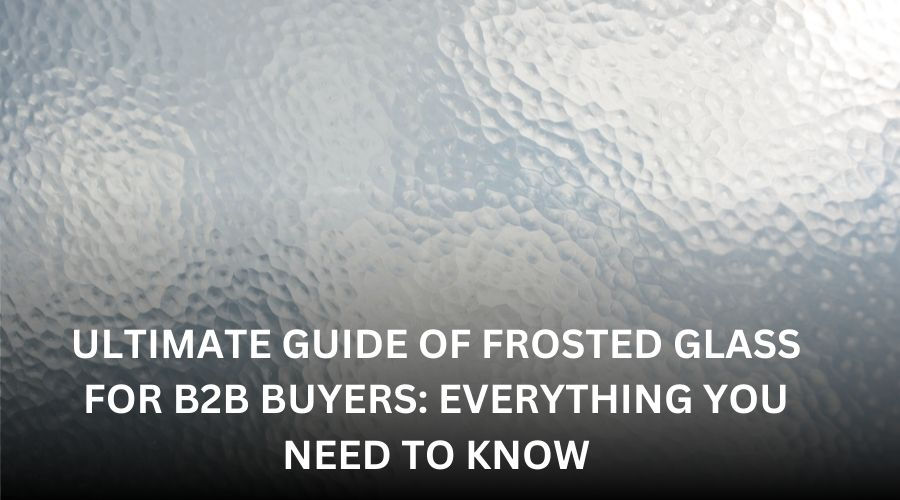
Frosted glass is no longer just a decorative material; it’s a functional solution for privacy, branding, and energy efficiency in modern commercial spaces. For B2B buyers, knowing the differences in frosted glass manufacturing, costs, and applications ensures better procurement decisions and long-term returns on investment.
A well-informed purchase from a reputable frosted glass supplier like Beijing Vanlake Engineering Co., Ltd can improve workspace design, boost energy efficiency, and meet project deadlines without costly mistakes. Understanding the full spectrum of privacy glass solutions helps avoid mismatched orders, installation delays, and unnecessary expenses.
What Exactly Is Frosted Glass?
Frosted glass is glass with a semi-opaque surface created by sandblasting glass panels or etching glass designs using acid or chemicals. This process scatters light, reducing glare and visibility while allowing natural illumination to pass through.
Unlike tinted glass, frosted glass offers privacy without complete opacity, making it ideal for offices and partitions in commercial environments. In B2B settings, its versatility supports both functional and branding purposes through decorative frosted glass patterns and logos.
How Is Frosted Glass Made?
The production process affects durability, cost, and aesthetics. In frosted glass manufacturing, two main techniques dominate:
Acid Etching – This uses hydrofluoric acid to corrode the glass surface, creating a uniform matte finish. Acid-etched panels are popular for custom frosted glass panels and etched glass designs due to their smooth texture and easy cleaning.
Sandblasting – High-pressure abrasive blasting creates sandblasted glass panels with various opacity levels. It’s ideal for intricate patterns, frosted tempered glass, and heavy-duty commercial frosted glass installations.
Some suppliers also produce frosted laminated glass, which sandwiches frosted layers between two glass sheets for safety and soundproofing. Vanlake Engineering often customizes this type for architectural projects requiring energy-efficient frosted glass.
What Are the Main Types of Frosted Glass Available for B2B Buyers?
B2B buyers have multiple options when sourcing wholesale frosted glass:
Acid-Etched Frosted Glass – Smooth, easy to clean, suitable for interior frosted glass applications like partitions and conference rooms.
Sandblasted Glass Panels – Offers flexible opacity levels and custom patterns for decorative frosted glass in retail and hospitality interiors.
Frosted Laminated Glass – Adds security and soundproofing while maintaining privacy, ideal for high-traffic public buildings.
Frosted Tempered Glass – Heat-treated for safety; common in frosted glass for offices and storefronts.
Patterned Frosted Glass – Combines privacy with distinctive designs for branding purposes.
A reliable frosted glass distributor like Vanlake can advise which type fits your project’s functional and visual needs.
What Are the Key Benefits of Frosted Glass in Business Applications?
The primary benefit is privacy without sacrificing light, making it perfect for meeting rooms and client areas. According to the U.S. Department of Energy, daylighting strategies, like using frosted glass, can reduce lighting energy consumption by up to 60%.
It also enhances aesthetics, allowing for etched glass designs or corporate logos. Many commercial frosted glass installations help maintain brand consistency across interior spaces. Its energy-efficient frosted glass variants help reduce heat transfer, lowering cooling costs.
For safety, tempered and laminated frosted options minimize injury risks if broken, aligning with safety codes for public and corporate spaces.
In Which Industries Is Frosted Glass Commonly Used?
Corporate Offices use frosted glass partitions for open-plan layouts that still preserve meeting room privacy. Hospitality spaces integrate decorative frosted glass in lobbies, restaurants, and guest rooms to elevate ambiance.
Healthcare Facilities prefer frosted laminated glass for patient privacy while maintaining light. Retail Stores incorporate custom frosted glass panels for window displays that reveal products without exposing the full interior .
Architecture Firms often specify frosted tempered glass for façades that meet safety standards while delivering visual appeal.
What Should B2B Buyers Consider Before Purchasing Frosted Glass?
Before placing bulk frosted glass orders, evaluate thickness, panel size, and safety standards. Thicker glass offers better durability but may increase the frosted glass price per square foot.
Opacity level is also critical; higher opacity provides more privacy but can reduce daylight. Ensure your frosted glass sheet supplier meets regional certifications, such as ANSI Z97.1 in the U.S. or EN 12150 in Europe.
Lastly, assess whether the supplier offers frosted glass installation services, as professional fitting prevents costly replacement.
How to Choose the Right Frosted Glass Supplier or Manufacturer?
A dependable frosted glass manufacturer should have proven production capacity, international shipping capabilities, and customization options. Vanlake Engineering has positioned itself as a leading frosted glass exporter, serving both domestic and international markets with tailored solutions.
Check case studies, client testimonials, and compliance with safety certifications. For large projects, ensure the supplier can meet tight deadlines for bulk frosted glass orders without sacrificing quality.
How Does Frosted Glass Pricing Work for B2B Orders?
Frosted glass price per square foot varies by thickness, manufacturing method, customization, and order size. Acid-etched panels may cost less than frosted laminated glass but lack the same level of soundproofing.
Ordering in bulk from a wholesale frosted glass provider often reduces per-unit costs, though shipping and frosted glass installation services can add to the total. Always request an all-inclusive quote to avoid budget overruns.
What Are the Latest Trends and Innovations in Frosted Glass?
Smart switchable glass allows panels to transition from clear to frosted instantly, enhancing meeting room versatility. Demand for eco-friendly frosted glass manufacturing has grown, with some suppliers now offering recycled-content options.
Custom etched glass designs are increasingly used in branding, while advances in energy-efficient frosted glass coatings improve insulation performance by up to 30%, according to industry studies.
How to Maintain and Clean Frosted Glass for Long-Term Use?
Clean frosted glass for offices with non-abrasive cloths and mild detergents to prevent scratches. Avoid ammonia-based cleaners, as they may damage certain surface coatings.
Regular inspections in commercial frosted glass settings help spot chips or cracks early. For frosted laminated glass, focus on cleaning the exposed surface only, as moisture between layers can cause damage if not properly sealed.
Final Checklist for B2B Frosted Glass Buyers
Confirm the type of glass (tempered, laminated, acid-etched, sandblasted).
Check compliance with safety and quality standards.
Verify supplier reputation and delivery capacity.
Compare frosted glass price per square foot from multiple sources.
Ensure installation is done by qualified professionals.
Conclusion: Why Frosted Glass Is a Strategic Choice for B2B Buyers
Investing in frosted glass wholesale solutions adds long-term value by improving aesthetics, enhancing privacy, and reducing energy costs. Working with an experienced frosted glass supplier like Beijing Vanlake Engineering Co., Ltd ensures access to custom frosted glass panels, timely delivery, and expert frosted glass installation services.
For businesses aiming to balance design, privacy, and efficiency, frosted glass distributor partnerships provide the right combination of quality and scalability for any commercial project.


Comments